The Importance of Language Learning in a Globalized World

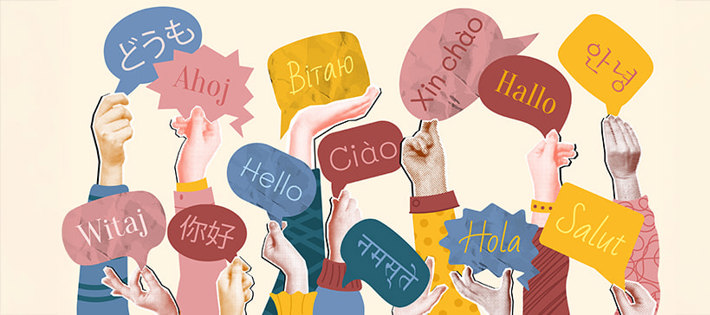
Language learning is a powerful tool for academic success, career growth, and meaningful cultural connection. In this article, we explore why learning a new language matters in today’s global world and how it can transform personal and professional opportunities.
Language learning is far more than memorizing vocabulary or learning grammar rules. It is a gateway to education, employment, cultural understanding, and global mobility. In an increasingly interconnected world, the ability to communicate in more than one language has become an essential skill for students, professionals, and lifelong learners.
For many people, especially those pursuing education or new opportunities abroad, language proficiency is the foundation for confidence, independence, and success.
Language Learning and Academic Achievement
Strong language skills are critical for academic success. Students who understand the language of instruction are better able to:
Follow lectures
Take part in class discussions
Complete written assignments
Perform well in examinations
For those planning to study abroad, language proficiency is often a requirement for admission and a key factor in adjusting to a new academic system.
Language learning also strengthens memory, concentration, and critical thinking. Multilingual learners often develop stronger problem solving skills and adaptability, which support learning across all subjects.
Career Advancement and Global Opportunities
In today’s global job market, language skills significantly enhance employability. Employers increasingly look for people who can work across cultures, communicate with diverse teams, and engage with international partners.
Proficiency in additional languages opens doors to careers in business, education, healthcare, international development, technology, and many other fields.
Language learning also improves workplace communication and professional confidence. Expressing ideas clearly and understanding others accurately strengthens leadership potential and supports long term career growth.
Cultural Understanding and Social Integration
Language is closely connected to culture. Learning a new language offers insight into traditions, values, and social norms, helping learners build deeper and more respectful relationships with people from different backgrounds. It fosters empathy, cultural awareness, and mutual understanding.
For newcomers and refugees, language learning is essential for integration. It opens access to education, employment, healthcare, and community services, while supporting independence and a sense of belonging in a new society.
Motivation, Practice, and Patience
Language learning is a gradual process that requires motivation, consistency, and patience. Challenges such as fear of making mistakes or slow progress are a natural part of the journey. Supportive instruction and realistic goals help learners overcome these obstacles and stay motivated.
Regular practice is key. Short, consistent study sessions are more effective than occasional intensive ones. A balanced focus on listening, speaking, reading, and writing helps learners develop strong, practical skills.
Choosing an Effective Learning Approach
There is no single approach that works for everyone. Some learners thrive in structured classrooms, while others prefer flexible self study with personalized guidance.
Effective language programs combine:
Clear instruction
Real life practice
Cultural context
Ongoing feedback
Access to qualified educators, relevant materials, and a supportive learning environment plays a crucial role in learner success.
Language Learning as a Lifelong Investment
Learning a language is an investment in your future. It empowers you to pursue education, expand your career options, and participate confidently in a global society. Beyond practical benefits, it builds self confidence, resilience, and curiosity.
At its core, language learning is about connection. It gives people the ability to share their ideas, tell their stories, and engage meaningfully with the world. Whether for academic goals, professional development, or personal growth, language learning remains one of the most valuable skills a person can develop.
Ready to start your language journey? Explore Azmoon Hub’s courses in IELTS, TOEFL, and Duolingo preparation, and our language programs.